


Listen to it on Soundcloud here.

Showing posts with label Meditation Music. Show all posts
Showing posts with label Meditation Music. Show all posts
Thursday, July 23, 2020
Friday, September 4, 2015
உங்கள் தூக்கம் இதில் எந்த வகையானது?

கடந்த தொடரில் உறக்கத்தின் மூன்று நிலைகளை பற்றி குறிப்பிட்டிருந்தோம்.
இதன் கடைசி நிலை தான் துரீயம் என்ற சமாதி நிலை. இதனை 'உறை உணர்வு கடந்த நிலை' என்றும் சொல்வர். இதில் விழிப்பு, கனவு, தூக்க நிலைகள் மூன்றும் அடங்கி விடுகின்றன. ஆகவே, விழிப்பிலும் துரீய நிலையில் இருந்து கொண்டு இயங்க முடியும். கனவிலும் கூட இதனை உணர முடியும். இயல்பான நல்ல தூக்கத்தின் சுகமும் இதில் உண்டு. அதாவது பரு உடலின் தொடர்பின்றி துரீயத்தில் இருக்க முடியும். தியானத்தின் ஆழ்ந்த நிலையில் இருப்பவர்கள் இந்த துரீய நிலையை எளிதாக உண்டாக்கி கொள்ள முடியும். அதாவது, ஒரு சில மனநல மருத்துவர்கள் எந்த மருந்துகளும் இல்லாமல் ஒருவரின் ஆழ்மனதில் பதிந்திருக்கும் எண்ணங்களை கேட்டறிய அவர்களை ஆழ்துயிலில் ஆழ்த்துவதுண்டு. அது போன்ற ஒரு நிலை தான் இதுவும்.
இது போன்ற ஒரு நிலையை தியானத்தின் மூலம் வரவழைத்துக் கொள்ளும் நிலை என்பது
வேறு. துரீய நிலையை எய்தியவரின் உடலைச் சுற்றி இருக்கும் அதிர்வலைகள்
என்பது மிகுந்த சக்தி வாய்ந்ததாக இருக்கும் என்கிறார்கள் ஞானிகள். அதாவது
துரீயத்தில் இருப்பவரின் உடலை அதற்கான நுண்ணோக்கியால் நோக்கினால் அதில்
உடலை சுற்றி காணப்படும் வண்ணங்கள் வித்தியாசமாக இருக்கும். உடல்
முழுவதையும் ஒரு நீல நிறப்பிழம்பு போர்த்தியது போல் காணப்பட்டு அந்த
பிழம்பின் நுனியானது தங்க நிறத்தில் தகதகப்பாக தோன்றும் என்கிறார்கள். இந்த
நான்கு நிலைகளின் கலப்பாக தூக்கத்திற்கு 16 வகையான நிலைகள் இருப்பதாக
எழுதுகிறார் பதஞ்சலி யோக சூத்திரம் நூலை எழுதிய சுவாமி. அதாவது,
விழிப்பில் விழிப்பு:
நமது மனமானது மறதி, மனக்கோளாறுகள் எதுவுமின்றி முழு நினைவுடன் இருப்பது.
விழிப்பில் கனவு
சூழ்நிலையை மறந்து இன்பமான கற்பனை மனக்கோட்டைகளில் ஆழ்ந்திருத்தல், உருவெளித்தோற்றங்களை காணுதல்.
விழிப்பில் தூக்கம்
தன் நினைவு சூழ்நிலைகளில், ஒன்றையோ இரண்டையோ அறியாமல் பிரமை பிடித்தது போல் இருப்பது. இந்த நிலையில் எதையும் மனது கவனிப்பதோ, புரிந்து கொள்வதோ இல்லாமல் இருத்தல். தூக்கத்தில் நடப்பது போல் தினசரி வேலைகளும் இருக்கும்.
விழிப்பில் துரீயம்
ஆன்மீக செய்திகளில் தொடர்பு இருக்கும். கடவுள் பக்தி, ஆன்மீக நூல் படிப்பது, உபநியாசம் கேட்பது, திருவிழாக்களில் பங்கெடுத்துக் கொள்வது, பக்தி யாத்திரைகளை மேற்கொள்வது, யோகாசனங்களை செய்வதில் ஆர்வம் போன்றவை இருக்கும்.
கனவில் விழிப்பு
கனவு காணும் போது அது கனவு என்ற அறிவு ஏற்படும். விழிப்பு நிலையில் செய்ய வேண்டியவற்றின் நினைவு கனவிலும் உண்டாகும். விழிப்பில் இயங்குவது போல கனவிலும் மனது வேகமாக இயங்கும்.
கனவில் கனவு
கனவு காண்பதில் கனவு வருதல் என்று சொல்வார்கள். அதாவது கதைக்குள் கதை வருவது போல். கனவில் தோன்றும் ஒருவர் தோன்றும் ஒருவர் முகம் பாதியில் வேறோருவர் முகமாகி விடும். எதைப்பற்றியோ யாரிடமாவது பேசிக் கொண்டிருப்பது போல தோன்றும். சில நேரங்களில் கண்ட கனவின் தொடர்ச்சி வரும். ஏற்கனவே கனவில் கண்டவர் மீண்டும் தோன்றுவார். கனவில கண்டதையே அடிப்படையாக வைத்து ஒரு தொடர்கதை போல் இன்னொரு கனவு வரும்.
கனவில் தூக்கம்
தெய்வக் காட்சிகள் உண்டாவது, மகான்களின் தரிசனம் கிடைப்பது, கோவில் திருவிழாக்களை பார்த்தல், தத்துவக்கருத்துக்கள் தோன்றுதல் முதலியவை. இது போன்ற கனவுகள் ஏறக்குறைய துரீய நிலையின் ஒரு பகுதி. இந்த மாதிரியான கனவுகள் ஒரு வகையான புல்லரிப்பை உண்டாக்கும்.
தூக்கத்தில் விழிப்பு
தூங்கும் போது தூக்கத்தில் நடப்பது, சாப்பிடுவது போன்றது. கனவுகளின் போது இப்படி நடக்கும் சம்பவங்கள் உடலின் ஜீவன் கனவின் போது பருவுடலையும் பயன்படுத்திக் கொள்ளும் ஒரு நிகழ்வாகும். அதாவது, ஆசாபாசங்கள் தேவையின் அளவு அதிகமாவதால் மேல் மனம் உறங்கும் போது, உள்மனம் எப்போதும் விழித்துக் கொண்டே இருக்கிறது. அந்த உள் மனம் சில நேரங்களில் கனவு காணும் நிலையில் உடலையும் சில செயல்களை செய்ய ஏவிவிடும். ஹிஸ்டிரியா போன்ற சில நோய்கள் இந்த நிலையில் தான் உண்டாகின்றன. தூக்கத்தில் எழுந்து எல்லா வேலைகளையும் சரியாக செய்வர். ஆனால் விழித்து எழுந்ததும் தான் என்ன செய்தோம் என்ற நினைவு இவர்களுக்கு இருக்காது.
சிலர் மனதில் ஆழமாக பதிந்து விட்ட எண்ணத்தால், தூக்க நிலையை மேல் மனம் அடையும் போது, தங்களை ஆவிகளாகவும், குட்டி தேவதைகளாகவும் எண்ணிக் கொண்டு அருள் சொல்வதும் ஆடி,ஓடி, ரகளை செய்வதும் உண்டு. இவர்களுக்கு அசுர சக்தி உண்டாகும். சில நேரங்களில் போதைப் பொருட்களை பயன்படுத்துபவர்களுக்கும் இப்படி ஒரு சக்தி உண்டாகும். இவர்கள் விழித்திருக்கும் நபர்களுடன் பேசுவர். ஆனால் சாதாரண நிலைக்கு வந்த பின் யாரிடம் பேசினோம் என்ன பேசினோம் என்பதை இவர்கள் உணர மாட்டார்கள்.
தூக்கத்தில் கனவு நிலை
மேல் மனம் உறங்கும் போது உள்மனம் கனவு காண்கிறது. எப்போதும் விழித்திருக்கக் கூடிய உள்மனம் எப்போதாவது அதிசயமாக கனவில் ஆழ்ந்து விடும். அப்போது அது எதையும் நம்பிவிடும். அதற்கு கனவும் உண்மையான தோற்றமாக தோன்றும். ஆகவே, தான் காணும் கனவை பிறரையும் காண வைக்கிறது. உள்மனம் மிகவும் விசாலமானது. எனவே, அது உடலுக்கு வெளியிலும் இயங்குகிறது. இதனால் தான், இந்த நிலையில் உள்ளவர் பிறரையும் பாதிக்கின்றனர். இவர்கள் தம் தூக்ககனவில் காண்பதை பிறகும் காணும்படி சிலநேரம் செய்கிறார்கள். ஆவியுடலில் இருந்து பருவுடலுடன் தொடர்பு கொள்வர்.
பயங்கர கனவுகளை காணும் போது தங்கள் உடலில் மாறுதலை அடைவார்கள். சில நேரங்களில் தாங்கள் சண்டையிடுவது போல் கனவு காணும் போது உடலில் காயங்களை ஏற்படுத்திக் கொள்வார்கள். உள்மனது வெளியில் சஞ்சரிப்பதால் அவர்களது உடலில் இருக்கும் கட்டுப்பாட்டுக் கேந்திரம் கட்டுப்பாட்டை இழந்து விடும். அப்போது இவர்கள் நிகழ்த்தும் காரியங்கள் விழிப்பு நிலையில் இருப்பவர்களுக்கு ஆச்சரியமாக தோன்றும். இப்படி செயல்களை நிகழ்த்துபவர்களை பார்த்து தான் அவர்களுக்கு பேய் பிடித்து விட்டதாக அல்லது சாமி இறங்கிவிட்டதாக சொல்வதுண்டு. அதாவது, மேல் மனம் உறக்கத்தில் ஆழும் போது உண்டாகும் மனநிலைகள் இவ்வாறு ஒருவரை நடந்து கொள்ள தூண்டுகின்றன.
தூக்கத்தில் காணப்படும் இன்னும் பல நிலைகளை பற்றியும், எந்த கனவுகளும் அற்ற ஆழ்ந்த நிம்மதியான தூக்கத்திற்கு உதவும் யோகாசனங்களையும், தியானங்களையும் பற்றி வரும் தொடரில் பார்க்கலாம்.
தூக்கம் :
ஒருவன் எவ்வளவு காலம் தூங்காமல் இருக்கிறானோ அவனுக்கு பலம் அதிகம்.இராவணன் மகனான இந்திரஜித்து எவனொருவன் 14 ஆண்டுகள் தூங்காமல் இருக்கிறானோ அவனே இந்திரஜித்தை கொல்வான்,என்ற வரம் பெற்றவன். இலக்குவன் தன் அண்ணனுக்கும்,அண்ணிக்கும் 14 ஆண்டுகள் காவலிருக்கும் பொருட்டு தன் மனைவியான ஊர்மிளையிடம் தன் உறக்கத்தை கொடுத்துவிட்டு போனதாக கதை உண்டு(14 ஆண்டுகள் ஊர்மிளை தூங்கிக் கொண்டே இருந்ததாகவும் சொல்லப்படுகிறது).அதன் காரணமாக 14 ஆண்டுகள் தூங்காமல் இருந்து பின் அது தந்த பலத்தின் காரணமாக(இலக்குவனை கொல்ல இந்திரஜித்து நிகும்பலையில் யாகம் செய்தும்) இந்திரஜித்தை, இலக்குவன் கொன்றார்.
திருவருட் பிரகாச ராமலிங்க வள்ளலார் எவன் ஒருவன் தினம் ஒரு மணிநேரம் மட்டும் உறங்குகின்றானோ அவன் ஆயிரம் வருடம் உயிர் வாழ்வான் என்கிறார்.
தூக்கத்தின் போது மூச்சு மிக அதிகமாக ஒடி உயிர் அழிகிறது.எனவே தூங்கும் போது மூச்சு அதிகம் ஓடி (நிமிடத்துக்கு 64 மூச்சு வீதம் ஓடி)ஆயுள் விரயமாகி நாம் மடிகின்றோம்.
இதையே அகத்தியர்
உண்ணும்போது உயிர் எழுத்தை உயரே வாங்கு,
உறங்குகின்ற போதெல்லாம் அதுவே ஆகும்,
பெண்ணின் பால் இந்திரியம் விடும் போதெல்லாம்
பேணி வலம் மேல்தூக்கி அவத்தில் நில்லு
தின்னும் காய் இலை மருந்து இதுவேயாகும்
தினந்தோறும் இப்படியே செலுத்த வல்லார்
மண்ணூழி காலம் மட்டும் வாழ்வார்தாமே
மறலி கையில் அகப்படுவார் மாட்டர்தாமே.
-அகத்தியர்-
உண்ணும்போதும் உயிர் எழுத்தான மூச்சுக் காற்றை அதிகமாக ஓடவிடாமல் பிடித்து இழுத்து நிறுத்திக் கொள்ள வேண்டும்.உறங்குகின்ற போதும் இப்படியே இருக்க வேண்டும்.பெண்ணிடம் சம்போகத்தில் ஈடுபடும்போதும் இதே போல் மூச்சைப் பேணி மேல் தூக்கி அவத்தில் வைத்துக் கொள்ள வேண்டும்.
உயிர் அழியாமல் இருக்க தின்னக் கூடிய காயகற்பமாகிய காய் இலை மருந்து இதுவேயாகும். தினந்தோறும் இது போல் உங்களால் செலுத்த முடியுமானால் இந்த மண் உள்ள வரையில் உயிர் வாழலாம்.மறலி என்றால் எமன்,அந்த எமன் கையில் அகப்பட்டு உயிரை விட மாட்டீர்கள் என்று அகத்தியர் கூறுகிறார்.
வள்ளலார் இதை
பசித்திரு!
தனித்திரு!
விழித்திரு!
பசி ஒரு திரு(திரு என்றால் செல்வம்),தனித்திரு (தனிமையாக இருப்பது ஒரு செல்வம்,இதையே அவ்வையார் இனிது இனிது ஏகாந்தம் இனிது என்று தனிமையைப் போற்றுகிறார்),விழித்திரு(விழிப்போடு இருப்பது ஒரு செல்வம்).
பசியோடு இருந்தால் தூக்கம் வராது,விழிப்போடு இருப்பதான செல்வம் தானே வரும்.தனிமையான செல்வத்தை ஏற்படுத்திக் கொண்டு இறையை தியானம் செய்தால் மரணமில்லாப் பெருவாழ்வு வாழலாம்.(இதையே அவ்வையார் அதனினும் இனிது ஆதியைத் தொழுதல் என்கிறார்)
எனவே தூக்கத்தை குறைக்கும் வழி அறிந்து குறைத்தால் மூச்சு விரயம் குறைந்து மரணமில்லாப் பெருவாழ்வு வாழலாம்.
Saturday, July 19, 2014
I have Received SMS QUOTES from Suresh Kumar Anna

Every dispute has 3 dimensions
My View
Your View
And the Truth
22 Dec. 2013 06:20pm
Let the truth speaks...instead of we speak.
22 Dec. 2013 07:28pm
No songs, No action, No comedy, No glamour, No twist and turns & etc.,Its just life..felt like breathing fresh air in the polluted industry.
Please watch "THALAIMURAIGAL"..
22 Dec. 2013 010:19pm
We all want to be famous people, and the moment we want to be something we are no longer free. -Jiddu Krishnamurti
14 Mar. 2014 07:41pm
Cuckoo
A film which shows us the darkness inside us and a light inside the blinds. good one to watch except the length of the film. .
24 Mar. 2014 12:13pm
I have found the paradox, that if you love until it hurts, there can be no more hurt, only more love. - Mother Teresa
28 Mar. 2014 01:27pm
The happiness of your life depends upon the quality of your thoughts. -Marcus Aurelius
28 Mar. 2014 01:28pm
Almost all our desires, when examined, contain something too shameful to reveal. - Victor Hugo
8 Jun. 2014 10:26am
Your worst enemy cannot harm you as much as your own unguarded thoughts. - Buddha
27 Jun. 2014 08:54am
If a man could have half of his wishes, he would double his troubles. - Benjamin Franklin
3 Jul. 2014 10:10pm
A man may imagine things that are false, but he can only understand things that are true. -Isaac Newton
12 Jul. 2014 06:29am
You cannot believe in God until you believe in yourself. - Swami Vivekananda
12 Jul. 2014 08:49am
knowing oneself is knowing what we want in life
13 Jul 2014 08:24pm
How to Pray ;
That prayer is perfect, in which he, who is praying, remembers not that he is praying..
13 Jul. 2014 08:30pm
Our words and actions are driven by the deeply ingrained concepts of 'approval, acceptance and appreciation' of others, even if it means following the irrational course. .
13 Jul. 2014 08:53pm
Logic will get you from A to B. Imagination will take you everywhere - Albert Einstein
13 Jul. 2014 09:20pm
“The value of a man resides in what he gives and not in what he is capable of receiving.” (Think of Giving not as a duty..but as a privillege. . - Albert Einstein
15 Jul. 2014 12:14pm
You have to grow from the inside out. None can teach you, none can make you spiritual. There is no other teacher but your own soul. - Swami Vivekananda
16 Jul. 2014 08:22pm
WATCH SHAHID MOVIE
18 Jul. 2014 10:45pm
life is not to say sorry.. live it from now
19 Jul. 2014 02:45pm
Thanks to
Suresh Kumar Anna
Monday, June 30, 2014
Friday, June 13, 2014
Thursday, May 29, 2014
Tuesday, March 25, 2014
Sunday, March 23, 2014
Veena and human spinal cord representation
Dr. M.G. Prasad Professor, Department of Mechanical Engineering,
(mprasad@stevens-tech.edu)
Life in the universe is a wonderful mystery. Human beings have the privilege of seeking the meaning, experiencing the mystery and realizing the purpose of life. In a triadic approach based on the Vedas, existence of life can be described through God (Ishwara), Universe (Jagat) and an individual soul (Jeeva). Any individual could see the universe as an entity that consists of all beings including other individuals and nature. The GOD as Supreme Being and One Source (Bramhan) is seen as a free and independent entity responsible for Generation, Operation and Dissolution of everything in the universe and all beings. The multi-faceted knowledge emanating from this One Source is referred as Vedas also called Shruti, that are mantras "heard" by rishis in their deepest meditative states and then orally transmitted as mantras to their disciples. The Vedas originating from Supreme Being is infinite and eternal. Vedas deal with topics such as God, soul, life, nature and cosmos etc. Vedas are compared to Breath of the Supreme Being. The infinitely large Vedic literature that includes scriptures (shastras) such as smritis, itihasas, puranas, upavedas, vedangas and upaangas etc. is a collection of compositions by large number of rishis who were seers of Vedic truths. This infinitely large body of knowledge is represented as an inverted tree (also referred in Bhagavadgita 15-1) in figure 1. However, there are different ways of classification including several additional scriptures referred as vidyas, kavyas etc. Thus as in a tree, the multi-faceted manifestations of knowledge in Vedic Hinduism or Sanatana Dharma is emanating from One Source or Supreme Being. Also, in Vishnusahasranama, we have the verse:
Which means that yoga, all types of knowledge, art, sculptures, rituals, Vedas, Vedic scriptures and science have emanated from Janardana (denoting One Source).
Presented at the symposium on Hinduism in June 2002, organized by Sri Venkateswara Temple, Pittsburgh, PA and also, at the Vedic conference organized by WAVES and University of Massachusetts at Dartmouth, in July 2002.The primary aim of this infinitely large multi-faceted Vedic Hinduism is to provide the vision and guidance to all human beings through four-fold objectives (Purursharthas) for life. The fulfillment of these objectives namely Dharma (knowledge and application of life-principles), Artha (money and means), Kama (rightful desires) and Moksha (spiritual bliss and freedom from all desires) gives the meaning and purpose of life.
The authority and authenticity of multi-faceted Vedic-Hinduism is due to innumerable rishis (seers) who have showed the paths of reaching that One Source of Light and Bliss. In the words of a seer-yogi Sriranga Sadguru, "It is view of the rishis of Bharata that spiritual enlightenment is the ultimate goal of life. That is attainment of ultimate joy (Ananda). That is liberation (Mukti). Spiritual knowledge (Jnana) is that by which one merges into the light of Atman as river merges into the ocean. The rishis or jnanis having attained this ultimate goal have brought forth the knowledge in science and arts (Vijnana) keeping in line with their roots in spiritual knowledge (Jnana) because vijnana is the manifestation of Jnana. It is for this reason an in-depth sincere study of knowledge in science and arts at any stage of manifestation will lead to attainment of the ultimate goal of spiritual knowledge (Jnana)"
This paper is an attempt to show in brief this all-encompassing nature of Vedic Hinduism. The various topics such as deities, rituals and temples indicate that these are important means to internalize the deeper concepts and principles of yoga and spirituality. An understanding of deities such as Goddess Saraswati and Lord Nataraja helps the seeker to focus and internalize through rituals and worship. The various deities in Vedic Hinduism are yogic visions. A vigraha or a picture becomes a connecting medium between a devotee and God. A temple is a representation of a human body and the God consecrated in the temple as vigraha represents the Indweller in human beings and all other beings and universe.
The Vedic seers have shown that one can advance spiritually and achieve bliss through dance and music and also provide joy to the mind and senses. The yoga through body and mind connects dance and music to the spiritual experiences. Vedic seers have recognized the relationship of spiritual and scientific principles. Examples such as Conch shells, musical instruments, bells, natural elements, etc are used as mediums to connect the seeker to the spiritual goals.
Then there are scriptures that deal with the philosophical systems that help seekers through advanced intellectual means of reasoning and analysis. Synthesis of knowledge, devotion and actions is emphasized in spiritual practices. Vedic seers emphasized that ultimately it is the inner experience and realization that brings the spiritual bliss and peace to the individual. This process of inner realization in multi-faceted Vedic Hinduism can be expressed through the concurrence of the experiences of the triad of Sadguru, Shastras and Sadhaka.
Multi-faceted Vedic Hinduism and Inverted Tree
The Vedas and Vedic literature deal with all aspects of knowledge on Supreme Being, various Gods, life, arts, nature, society and Cosmos etc through principles and applications. A brief description of the inverted tree as referred in figure 1 is given below: Maharishi VedaVyasa classified the Vedas or Shrutiemanating from Supreme Being into the main four Vedas namely Rigveda (metrical mantras on various Gods), YajurVeda (prose-type mantras for rituals and yajnas), Samaveda (musical and metrical chants) and AtharvaVeda (mantras on society and welfare) through rishis Paila, Vaishampayana, Jaimini and Sumantu respectively.
The Smritis include compositions of the codes and guidelines recommended by rishis such as Parashara, Yajnavalkya, Goutama, Manu etc. for the success and spiritual development in life.
The Itithasas are the historical literature that includes Ramayana of Valmiki and Mahabharata of Vyasa. The Ramayana and Mahabharata are referred as fifth Vedas as they explain the Vedic principles that are difficult to understand directly in simple and illustrative ways. Especially, Ramayana is ideally suited as a reference guide for human beings. The Puranas is literature of instructive and imaginative stories based on the historical literature to explain the Vedic principles.
The UpaVedas consist of Ayurveda for heath and medicine, Dhanurveda for the science of archery and military, GandharvaVeda for the arts and Arthaveda for science of economics and business. The Vedangas are auxiliary to Vedas and they play an important role in understanding and practice of Vedic knowledge and rituals. Shiksha deals with science of proper articulation, euphony and pronunciation of mantras. The Kalpa deals with Vedic rituals and procedures. Vyakarana deals the grammatical aspects of Vedic language. Nirukta is the etymological explanation of Vedic words. Chandas is the science of prosody and aids in melodious pronunciation of the Vedic mantras. Jyotisha is the astronomical and astrological part for applications in Vedic rituals.
The Upangas are the philosophical systems referred as Darshana and are based on the Vedas. They were formulated by rishis in the form of sutras (cryptic statements). Nyaya of Gautama deals with science of logic and metaphysics. Vaisheshika of Kanaada provides a scientific view of the universe. Sankhya of Kapila describes the universe and life through priniciples. Yoga of Patanjali describes eight steps for psycho-physical and spiritual fulfillment. PurvaMimamsa of Jaimini describes the role and relevance of Vedic rituals. UttaraMimamsa also known as Vedanta of Vyasa with the basis on Upanishats deal with the understanding and realization of Bramhan as One Source.
The Prasthanatrayi refers to three sources that form the foundations of Vedic Hindu philosophy. They are Vedanta sutras of Vyasa, Upanishats of the Vedas that emphasize knowledge, and the well-known Bhagavadgita of Vyasa. These three sources are very well known in the world literature on philosophy. The universal and eternal nature of these three sources is evident from the innumerable commentaries on them by many acharyas at different times. The three major systems are Advaita, Vishishtaadvaita of Dvaita are used to seek, understand and realize the relationship between individual, universe and God. The acharyas such as Shankara, Ramanuja and Madhva who have written commentaries on these foundation scriptures have also shown through their lives the need of integrating (yoga) the practical aspects of devotion (bhakti), knowledge (jnana) and actions (karma) .

Figure 1: An Inverted tree representation
Gods, Rituals and Temples
Vedic Hinduism can be seen through its manifestations such as rituals, sculptures, temples, dance, music, mantras, yoga including meditation, science and philosophical systems. The Vedic rituals and religious practices are based on the spiritual core. This transfer of tradition from generation to generation forms an important aspect of Vedic Hinduism. The various rituals (samskaras) are carried out at various stages of life of a Hindu to awaken, strengthen, nourish and refine the mind so that it can advance towards the spiritual knowledge. These rituals include first feeding of food, beginning of learning, wedding, pregnancy etc. In addition to these rituals, the temples and festivals play an important role in sustaining and transferring the Vedic tradition and culture.
A Hindu temple is a divine and yogic representation (figure 2) of a human being with the Deity in the temple representing the God as indweller in humans and all beings. In a temple the feet represents rajagopura, the hands represent praakaara, the abdomen represent mandapa, the heart represents antaraala and the crown of the head represents the sanctum sanctorum (garbha griha). The temple is used as a reminder that our inner spiritual journey is through internal yoga to realize the indweller God. This analogy is shown in figure 2 through the representation of various chakras namely Moolaadhara to Sahasraara in the body to various locations in the temple.
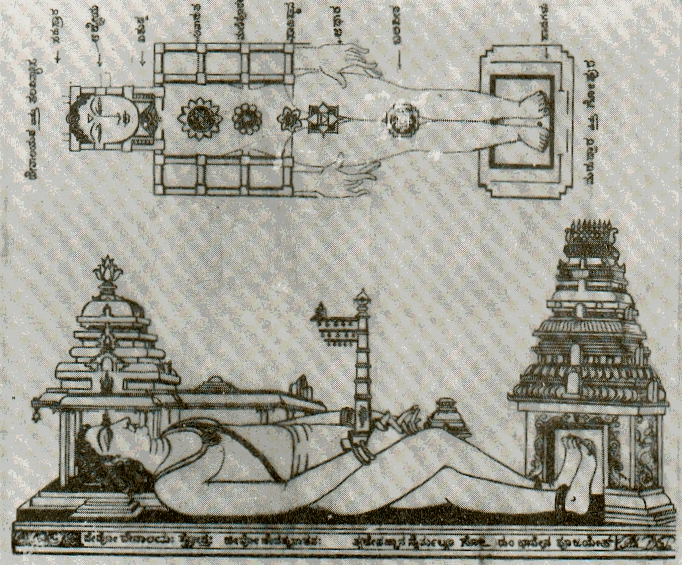
Figure 2: Representation of a Hindu temple (ref 3)
The rituals in a pooja such as invoking god into a vigraha, giving sacred bath to with chanting, decoration, offering food and waving lamp to the vigraha helps the seekers to internalize the spiritual energy. Also, the seekers can make connections though five senses to focus their mind on God. A Vedic Hindu festival is significant in several ways namely, spiritual, philosophical, religious and socio-cultural. Celebrations of various festivals have sustained the dynamic nature of Vedic Hindu values and culture.
The icons or vigrahas of Gods and Goddesses also help the seekers to focus on the concepts. These icons are not imaginations but they are manifestations of the Supreme Being in the inner yogic visions of the seers. Thus the icons depict the divine forces in a visible form. The Goddess Saraswati shown in figure 3 is the Goddess of speech, music and knowledge. She is seated on a lotus denoting the heart. In Her right hand, the rosary (akshamala) represents the alphabets of a language (Sanskrit). The musical instrument (Veena) represents the spinal cord important in physical, emotional and spiritual aspects of life. The book in Her left hand denotes the knowledge. The swan as Her vehicle represents the devotee. The peacock signifies the joy of knowledge. She is clad in white cloths to indicate the purity in pursuit of knowledge. Thus we can see that deity worship is an important means to internalize and develop the spiritual insight.

Figure 3: Goddess Saraswati
Dance, Music and Science
The Vedic Hinduism asserts that all changing manifestations are referred to the Supreme Unchanging God as Source and Substratum. These continuous changes are describes as a dance. The Lord Shiva as King of Dancers (Lord Nataraja) shown in figure 4 illustrates this principle.

Figure 4: Lord Nataraja as a Divine dancer (refs 1,2)
The divine dance posture of Lord Nataraja depicts spiritual bliss obtained by the state of balance achieved through the process of yoga. The drum and the fire in His right and left hands signify the vital forces namely, prana and apana respectively. The union of prana and apana is the goal of yoga. The snake signifies the yogic energy as Kundalini. The blessing of fearlessness to a devotee is indicated by His two hands in the middle. The dwarf-demon being crushed is called as Apasmara representing forgetfulness of one’s innate divinity. The Vedic literature says that, it is this ignorance makes humans unconscious of the indwelling divinity. The actions based on this ignorance are the cause of misery and suffering. The darkness created by Apasmara has to be dispelled by the divine dance of Lord Nataraja, which brings spiritual enlightenment. A composition by a seer-yogi Swami Sriranga Priya says :
Which means, "Salutations to the Lord Nataraja, Whose form is pure spiritual knowledge. His divine-dance is performed all the time in the heart-altar of all devotees". The divine dance of Lord Nataraja also signifies the yogic process. The importance of various chakras in spiritual path is well known. In figure 5, the production of various seed-sounds in relation to various chakras starting from Mooladhara at the base are shown. The Vedic representation of the human spinal cord as the musical instrument (Veena) is shown in figure 6. The 24 frets of the instrument are analogous to the 24 cartilages in the spinal cord. The number 24 also relates to the 24 syllables in the Vedic Gayatri mantra. Thus the inter-relation (figures 2, 3, 5 and 6) between a temple, Goddess Saraswati holding Veena, The production of seed-sounds at the various chakras in the spinal cord and representation of Veena as spinal cord shows the multi-faceted manifestations of Vedic principles and experiences.

Figure 5: Lord Nataraja and speech-sounds (refs 1, 2)

Figure 6: Veena and human spinal cord representation (ref 1)
The rishis and yogis experienced the various manifestations of the Supreme Being not only within themselves but also in the nature and cosmos. Another illustration is the discovery of a natural instrument namely, conch-shell used for rituals and spiritual practices. Figure 7 shows the interior of a conch-shell and its spectral characteristics of the sound.

Figure 7: Spectral characteristics of Sankha (conch-shell) (ref 9)
The interesting feature is the sharpness of the tone, which is even difficult to obtain in a human-made instrument. The superior sound quality of the tone from a proper conch-shell represents the spiritual vibrations of the universal sound of OM. The Garbhopanishat says that an infant in the womb, in its eighth month hears the sound of OM and has the spiritual vision of Light of God. It is for this reason, the Vedic literature says that God is in every being and it is the rediscovery of that vision and knowledge that is needed for spiritual enlightenment.
It is well known that Indian classical music has Vedic origin. The acoustical characteristics such as melodious sound, phonetic quality of letters, proper breaking of words, correct intonation, majesty and proper speed of Vedic chants are precisely transmitted through oral tradition from teacher to disciple. Svaras are common to Vedic chants, music and language. The seven svaras of music are acoustically related to svaras in Vedic chants. It is interesting to note that Vedic chants are effectively played on musical instrument Veena. The Shabda Bramhan encompasses the full range of vibrations such as infra, audio, ultra and electro-magnetic waves. The Amrita Bindu Upanishat refers to two Bramhans namely ParamBramhan and ShabdaBramhan.
Great saints such as Purandaradasa, Tyagaraja etc. have demonstrated that the divine music is a means of spiritual realization. The classical Music in the Vedic Hinduism belongs to the path of yoga namely, Nada Yoga. The treatise of classical music Sangita Ratnakara describes Nada as the union of prana and anala which represents the drum and fire respectively in the hands of Lord Nataraja (figure 4). The acoustical knowledge of ancient Hindus manifested in several musical instruments. One distinguishing feature of Mridangam and Tabla is interesting. The sounds of a percussion instrument provides the rhythm and not melody. However, the Mridangam and Tabla due to their design produce several harmonic tones, which brings melody to their sounds (figure 8). This brings a pleasing quality to rhythmic sounds. It is for this reason the classical music and dance emanating from Vedic origin not only is a spiritual path but also provides joy to mind and senses.
Figure 9 shows an interesting scientific experiment referred as Tyndall effect wherein an acoustical tone, when directed on a flame breaks the flame into seven-tongue. In Vishnusahasranama, the seven-tongued fire is referred as a name. This phenomenon of effect of sound or vibrations on flame plays an important role in Vedic yajnas. The sacred fire represents the god or goddess worshipped in a yajna. Thus one can see that the Vedic literature encompasses universal phenomena in nature and cosmos. The Vedic rishis have the abilities of spiritual and scientific insight along with saintly qualities. It is the pursuit of truth objectively by rishis that brought multi-faceted nature to Vedic Hinduism and has made it relevant and useful for all seekers in the past, present and future.

Figure 8: Harmonic tones of Tabla (ref 8)

Figure 9: Effect of sound on flame (Tyndall effect)
Vedanta, Yoga and Meditation
It is well known that Vedanta, yoga and meditation have become very popular around the world. However, it is to be noted that they have their source in the eternal Vedas and Vedic Hindu literature. Vedanta refers to not only ending portions of the Vedas but also the essence of the Vedas that emphasize the spiritual knowledge (Jnana). Vedanta deals with the relationship between the God, universe and individual soul. Although there are several Vedantic approaches such as Advaita, Vishishtaadviata, Dvaita etc., they all refer to the Vedas as the transcendental authority and Bramhan as the Independent and Ultimate Truth (Bramha Satyam). Important qualities such as devotion, compassion, forgiveness etc are emphasized for spiritual development. The need for an acharya or guru is essential in understanding and practice of scriptural guidelines. The important role of karma has to be understood. Thus Vedanta through the Prasthanatrayi, namely Upanishats, Bramhasutras and Bhagavadgita has become the universal and eternal philosophical foundations of Vedic Hinduism. The Bhagavadgita is a shastra (scripture) for both Bramhavidya and Yoga.
It is important to note that yoga and meditation have their roots in Vedas and Vedic literature. Vedanta and yoga are the theoretical and practical aspects in the pursuit of realization of Bramhan. The sole purpose of yoga is the realization of original and normal state. Yoga is not merely restricted to poses and acrobatic postures with impressive demonstrations. The Katha upanishat, Bhagavadgita and Patanjali’s yogasutras are some of the important major references on yoga. It is to be noted that the Ashtanga Yoga of Vedic Hinduism is a systematic approach to reach the spiritual goal of original and normal state of bliss. Ashtanga yoga means eight-limbs of the yoga. Meditation is the seventh step in this approach. The eight-fold Ashtanga yoga briefly consists of Yama (self-control) and Niyama (disciplines) dealing with practices related to physical and mental disciplines. Asana deals with the practice of physical postures integrating the flexibility of the body and breathing patterns. Pranayama deals with the control and regulation of Prana or vital forces. Pratyahara deals with the practice of withdrawing the consciousness from the multiplicity of thoughts and directing it toward the inner-self. Dharana deals with the development of the ability of the mind to focus and contain a sacred object. Dhyana is the meditation or continuous concentration on the sacred object. The nature and quality of the object of meditation is extremely important. The continuous concentration is compared to that of an unbroken flow of oil and non-flickering flame of a lamp. These seven steps lead the seeker to Samadhi referring to the level of original and normal state and super-consciousness. The order mentioned in this Ashtanga yoga is important. A yogi who has realized and is established in this original and normal state is able to provide genuine guidance as a sadguru or acharya to the sincere and devoted seeker. Ashtanga yoga through its scientific and practical approach deals with all aspects of human development such as physical, emotional, intellectual and spiritual development. In the words of a seer-yogi Sriranga Sadguru, " The customs and habits, the dress and ornaments, the manners and etiquette, the conceptions of right and wrong and of good and evil, the learning, literature and the various arts like music, the political thoughts, views regarding all action and the consecratory ceremonies, etc., of the Indians (Bharatiyas) are all permeated like the warp and woof by Ashtanga Yoga."
Vedic triadic approach
In figure 10 a simple Vedic triadic approach is shown to describe any effort to seek knowledge and particularly spiritual knowledge. The three lines represent the three essential components required for spiritual seeking are Sadguru, Shastra and Anubhava. The Sadguru refers to the guiding energy in the form of mother, father, acharya, spiritual mentor, etc., who helps and directs the individual to gain knowledge and discriminate between right and wrong. It is a life-force of subjective importance. The Shastras refers to the body of knowledge (Vedic literature), which has sustained the test of time and space. The shastras include infinite large collection of sources as shown in figure 1. Shastras represents the perennial objective source that includes rituals to vedanta. The shastras include resources for all levels of enquiry. The following of rituals provides required refinement for the mind. The historical masterpieces such as Ramayana and Mahabharata illustrate the Vedic principles applicable to human beings. The vedantic literature such as Advaita, Vishishtaadvaita and Dvaita etc provide the Vedic truths at the fundamental levels. Then there are shastras for arts, music, science, medicine etc. The third important component Anubhava means the experience of the seeker. In the course of time, the three lines should advance towards concurrence, which is indicated by the reduction of the triangle size. The concurrence assures that the seeker’s experience is concurring with those of Sadguru and Shastra. The non-concurrence indicates disparity between the three components and need to be worked at. It is a dynamic process to be carried out by the seeker.

Figure 10: A Vedic triadic approach
Concluding remarksVedic Hinduism (Sanatana Dharma) with its source in the eternal Vedas has sustained and guided its followers in the long history of time. Innumerable number of rishis and yogis have provided guidance and direction through their scientific, saintly and introspective abilities.
It is our common experience that our present times have provided many comforts due to growth of technology, global communications, consumerism etc. In spite of all these global developments, the critical issues of life and particularly human life such as hunger, poverty, hatred, threat of nuclear war etc. still pose major challenges. These basic human problems need to be addressed at all levels including the development of an individual with the global consciousness. The multi-faceted Vedic Hinduism or Sanatana Dharma has the ability to sustain the timeline through past, present, future and beyond.
References
- Amaravani (17 volumes in Kannada), Lectures of Sriranga Sadguru, published by Ashtanga Yoga Vijnana Mandiram, 957 Seshadri Iyer Road, Mysore, India.(2001)
- Divine dancer by S.V. Chamu, published by Ashtanga Yoga Vijnana Mandiram, India.(1982)
- Agama-Kosha (Volume 6:Alaya and Aradhana), S.K. Ramachandra Rao, Kalpataru Research Academy, P.O.Box 1857, Bangalore, India (1992)
- Hindu Dharma, Discourses of Sri Chandrasekharendra Saraswati of Kanchi Shankara Mutt, published by Bharatiya Vidya Bhavan, Bombay, India (1995).
- Garland: an anthology on Vedic Hinduism by M.G. Prasad, published by the foundation for advancement of Arts and Sciences from India, New York (2001)
- The Acoustical Knowledge of the Ancient Hindus, in the Scientific Papers of Sir C.V. Raman, (Volume 2: Acoustics), published by Indian Academy of Sciences, Bangalore (1988).
- Inner Workings during Yoga Practice by T.V. Ananthapadmanabha, Anugraha publishers, Bangalore, India. (1999)
- Vibrations of Indian Musical Drums regarded as Composite Membranes by B.S. Ramakrishna and M.M. Sondhi, in Journal of The Acoustical Society of America, Volume 26, p523, (1954).
- Geometrical Modeling and Spectral Characteristics of a Conch-Shell Trumpet, by Lisa Taylor, M.G. Prasad and R. Bhat, Third International Conference on Acoustics and Vibration, Montreal, Canada (1994).
- A Data Driven Algorithm for a Natural Language by K.L.Kanthan, presented at the WAVES conference, Stevens Institute of Technology, New Jersey. (2000).
Dance, Music and Science :
Tuesday, March 4, 2014
Tuesday, November 5, 2013
SCIENTISTS DISCOVER MOST RELAXING TUNE EVER

SCIENTISTS DISCOVER MOST RELAXING TUNE EVER
.
A British band and a group of scientists have made the most relaxing tune in the history of man, an Mp3 of which is at the bottom of this article.
Sound therapists and Manchester band Marconi Union compiled the song. Scientists played it to 40 women and found it to be more effective at helping them relax than songs by Enya, Mozart and Coldplay.
Weightless works by using specific rhythms, tones, frequencies and intervals to relax the listener. A continuous rhythm of 60 BPM causes the brainwaves and heart rate to synchronise with the rhythm: a process known as ‘entrainment’. Low underlying bass tones relax the listener and a low whooshing sound with a trance-like quality takes the listener into an even deeper state of calm.
Dr David Lewis, one of the UK’s leading stress specialists said: “‘Weightless’ induced the greatest relaxation – higher than any of the other music tested. Brain imaging studies have shown that music works at a very deep level within the brain, stimulating not only those regions responsible for processing sound but also ones associated with emotions."
The study - commissioned by bubble bath and shower gel firm Radox Spa - found the song was even more relaxing than a massage, walk or cup of tea. So relaxing is the tune, apparently, that people are being advised against listening to it while driving.
Band creates the 'most relaxing tune ever'
Boffins say the eight minute track, called Weightless, is so effective at inducing sleep it should not be listened to while driving.
Carefully arranged harmonies, rhythms and bass lines help to slow the heart rate, reduce blood pressure and lower levels of the stress hormone cortisol.
Manchester trio Marconi Union worked with sound therapists to create the soothing tune, which also slows breathing and reduces brain activity.
Scientists played the song to 40 women and found it to be more effective at helping them relax than songs by Enya, Mozart and Coldplay.
The study - commissioned by bubble bath and shower gel firm Radox Spa - found the song was even more relaxing than a massage, walk or cup of tea.
The women were connected to sensors and given challenging puzzles to complete against the clock in order to induce a level of stress.
They were then played different songs as their heart rate, blood pressure, breathing and brain activity were recorded.
Studies found Weightless was 11 per cent more relaxing than any other song and even made many of the women "drowsy" in the lab.
It induced a 65 per cent reduction in overall anxiety and brought them to a level 35 per cent lower than their usual resting rates.
The song features guitar, piano and electronic samples of natural soundscapes.
It is pierced throughout by buddhist-like chants that induce a trance-like state.
Lyz Cooper, founder of the British Academy of Sound Therapy, said Marconi Union had used scientific theory to make the "perfect relaxing song".
She said: "The song makes use of many musical principles that have been shown to individually have a calming effect.
"By combining these elements in the way Marconi Union have has created the perfect relaxing song.
"The study found this to be the world's most relaxing song.
"It contains a sustaining rhythm that starts at 60 beats per minute and gradually slows to around 50.
"While listening, your heart rate gradually comes to match that beat.
"It is important that the song is eight minutes long because it takes about five minutes for this process, known as entrainment, to occur.
"The fall in heart rate also leads to a fall in blood pressure.
"The harmonic intervals - or gaps between notes - have been chosen to create a feeling of euphoria and comfort.
"And there is no repeating melody, which allows your brain to completely switch off because you are no longer trying to predict what is coming next.
"Instead, there are random chimes, which helps to induce a deeper sense of relaxation.
"The final element is the low, whooshing sounds and hums that are like buddhist chants.
"High tones stimulate but these low tones put you in a trance-like state."
She added: "Sound therapy has been used for thousands of years to help people relax and improve health and well-being.
"Music was at the heart of healing and worship among indigenous cultures.
"Anybody who lives under a flight path or near a busy road appreciate the effect sounds can have on your stress levels.
"Weightless is ideal for putting on at the end of a stressful day and unwinding."
Dr David Lewis-Hodgson, from Mindlab International, which conducted the research, said: "The results clearly show that the track induced the greatest relaxation - higher than any of the other music tested.
"Brain imaging studies have shown that music works at a very deep level within the brain, stimulating not only those regions responsible for processing sound but also ones associated with emotions.
"In fact, Weightless was so effective, many women became drowsy and I would advise against driving while listening to the song because it could be dangerous."
Richard Talbot, from Marconi Union, said: "It was fascinating working with a therapist to learn how and why certain sounds affect people's mood.
"I always knew the power of music but we have previously written using gut feeling."
Cassie Shuttlewood, from Radox Spa, said: "Most of us feel stressed every day but Radox understands that it's not necessary to spend hundreds of pounds on massages, spa weekends and yoga retreats in order to relax."
The top 10 most relaxing tunes were:
1. Marconi Union - Weightless
2. Airstream - Electra
3. DJ Shah - Mellomaniac (Chill Out Mix)
4. Enya - Watermark
5. Coldplay - Strawberry Swing
6. Barcelona - Please Don't Go
7. All Saints - Pure Shores
8. AdelevSomeone Like You
9. Mozart - Canzonetta Sull'aria
10. Cafe Del Mar - We Can Fly
Monday, August 5, 2013

Wednesday, July 17, 2013
Download Tamil Mp3 Songs: Nalam Tharum Pathigangal 51 Songs

- Aalandhan – TamilWire.com.mp3 (11.1 MB) (For cure/betterment of left eye.)
- Avvinaikku – TamilWire.com.mp3 (8.6 MB) (Cure from heavy cold-fever, viral fevers, protection from evil deeds and betterment of younger brother.)
- Chotrunai – TamilWire.com.mp3 (193.7 KB)
- Endhai Eesan – TamilWire.com.mp3 (9.9 MB)
- Ennukel – TamilWire.com.mp3 (10.4 MB)
- Ettraan Marakken – TamilWire.com.mp3 (8.5 MB)
- Idarinum – TamilWire.com.mp3 (10.0 MB)(For betterment of financial condition and to get rid of poverty.)
- Kadhalagi – TamilWire.com.mp3 (6.3 MB)(For peaceful food and sleep, for avoiding rebirth, improvement in the worship and spirituality.)
- Kallur – TamilWire.com.mp3 (7.1 MB)
- Kannavenn – TamilWire.com.mp3 (6.4 MB)
- Kodugu – TamilWire.com.mp3 (9.3 MB)
- Kootrayinavaaru – TamilWire.com.mp3 (12.6 MB)
- Kottame – TamilWire.com.mp3 (5.9 MB)
- Kunitha Puruvamum – TamilWire.com.mp3 (8.9 MB)
- Maasil Veenayum – TamilWire.com.mp3 (10.9 MB)
- Maayiru Gnalam – TamilWire.com.mp3 (9.3 MB)
- Madayil – TamilWire.com.mp3 (9.8 MB)
- Madharpirai – TamilWire.com.mp3 (9.6 MB)
- Mandhiramavadhu – TamilWire.com.mp3 (7.0 MB) (Cure from heat related diseases.)
- Manil Nalla – TamilWire.com.mp3 (10.0 MB) (For the pleasent prosperous life of the family - also to bless people in auspicious occasions).
- Maraiyudayay – TamilWire.com.mp3 (10.8 MB) (For removal of hurdles and relief from false allegations.)
- Matrupatru – TamilWire.com.mp3 (11.1 MB)
- Mattitta – TamilWire.com.mp3 (10.9 MB) (For sustainment confirmation of the profession.)
- Meela Adimai – TamilWire.com.mp3 (11.7 MB) (For curebetterment of right eye.)
- Muthu Vidhanam – TamilWire.com.mp3 (9.5 MB)
- Naalum – TamilWire.com.mp3 (3.9 MB)
- Naamarkkum – TamilWire.com.mp3 (11.5 MB)
- Neela Ninaindhu – TamilWire.com.mp3 (6.4 MB)
- Ondru Kolaam – TamilWire.com.mp3 (7.5 MB) (cure for poison, snake bite etc).
- Oruruvayinay – TamilWire.com.mp3 (6.2 MB) (not loosing the opertunities, getting puNya)
- Paadalmarai – TamilWire.com.mp3 (10.4 MB)
- Pannin Ner – TamilWire.com.mp3 (7.6 MB)
- Paravum Parisu – TamilWire.com.mp3 (7.2 MB)
- Pitha Pirai Soodi – TamilWire.com.mp3 (8.5 MB)
- Pogamaartha – TamilWire.com.mp3 (8.2 MB) (To reduce the effects of the motion of the planet saturn [shani].)
- Pon Seydha – TamilWire.com.mp3 (2.3 MB) (For getting back the lost money wealth.)
- Ponnum – TamilWire.com.mp3 (11.0 MB)
- Pootherndhayana – TamilWire.com.mp3 (6.3 MB)
- Sadaiyay – TamilWire.com.mp3 (7.2 MB) (To avoid postponement of marriage due to sarpa dosham.)
- Sadhurammarai – TamilWire.com.mp3 (6.2 MB)
- Thalaiye Nee – TamilWire.com.mp3 (6.7 MB) (For good health of all body parts.)
- Thammaiye – TamilWire.com.mp3 (8.8 MB) (To get food and cloth without problem.)
- Thanena – TamilWire.com.mp3 (9.2 MB)
- Thillai Vaazh – TamilWire.com.mp3 (8.6 MB)
- Thodudaiya Seviyan – TamilWire.com.mp3 (16.3 MB)
- Thunivalar Thingal – TamilWire.com.mp3 (11.4 MB) (Cure for Blood pressure, Diabetes, Coma, drug addiction.)
- Thunjalum – TamilWire.com.mp3 (7.7 MB) (To lead a prosperous life.)
- Vaasi Theeravey – TamilWire.com.mp3 (5.1 MB) (For the betterment of brotherssisters and the better self confidence.)
- Vanangathalai – TamilWire.com.mp3 (5.4 MB)
- Vazhga Andhanar – TamilWire.com.mp3 (9.4 MB) (To get rid of troubles of unemployment, get fame, advance in the worship and spirituality.)
- Veyarutholi – TamilWire.com.mp3 (8.5 MB) (To remove the bad effects of the planetary motion.)
Hindu prayer for healing
Thirumurai - The medicine to sufferings
The Lord shiva who gives even Itself for the one who completely surrenders to It and serves selflessly, takes care of such a devotee in all the ups and downs of the life leading the devotee to the liberation. That would be the ultimate boon. Still people look for some helping hand when they are in some deep trouble. Many get mislead also going behind miracle performers and get cheated many times. The result is more pain than the temporary well being they get.
Miracle of these prayers
The shaivite saints. who lived 1500 years back, have sung the holy hymns - thirumuRai in a great spiritual wisdom and seeking only the Truth. The splendid powerful words ( mantram) and the unadultrated devotion on Lord shiva being the base these hymns give the great cure for many of the sufferings in life. Instead of looking for unreliable sources for betterment one should seek thethirumuRai path which apart from giving the benefit would slowly lead one to be set in the path towards the Almighty. Even those who do devotion without asking for returns would find these to be very enchanting hymns. Here are some of them. Let us sing these to get the blessings of the Three eyed Lord.
What is fate and why are there sufferings ?
Fate is not something just imposed on us. We have accumulated the good and bad things called karma through the thoughts, words and actions in the past births. Fate (called prArabdha) is one small part of that accumulation that is fed to us in this birth. (Detailed discussion on this could be found here ). Various powers of nature (like the divines of the various planets like saturn, venus etc.) have been given powers as the implementation officers to feed this effect of past karma at the appropriate time of life.
What is the way out ? Can astrology help me ?
In astrology using the zodiac - constellation found in the almanac the happenings are tried to be determined. There are some astrologers who suggest propitiating the associated planet divine (like rahu, shani...). One thing to be clearly kept in mind is that these divines are provided power by God to implement the effect of karma. They being sincere officers running the God given system, they are not authorized and would not stop short of feeding that karma. So one has to avoid doing bad deeds to escape from bad things happening to them in future and should hold on to God if one wants to comepletly come out of the iron and golden chains of bad and good karma !
But digesting the bad karma is not easy and it could be horrifying quite often. Can the highly merciful Lord not help out ? Definitely, God would like a mother who acts strict with the child for the child to correct itself, but softens when the child pleads in agony. So praying to Lord shiva with sincere devotion would help people out of the difficult situations. There are hymns which are powerful mantras that are available to us in making these prayers. These mantra hymns are found to be making wonders through the past many centuries as recorded in various texts. Praying sincerely to Lord shiva with the help of these hymns will definitely help the suffering ones.
How to do these prayers ?
- Chant them on a regular basis.
- Even if you do not understand it at first, keep listening to it.
- If you know the paN (melody) you can sing in that. The audio file provided could give some idea of the prescribed music for the hymn.
- If you do not know the music, no harm you could just read the hymns.
- If you cannot read these letters, try to listen to these songs with the help of the audio files.
- Involve yourcomtinuously in God as much as possible while chanting. For this the images of God at the Gallery could help.
- You could also do this prayer on behalf of somebody else.
- Once you get see the fruit of the prayer, thank God and continue your devotion (may be singing the same or some other padhikam). That would provide you the immunity against the possible ills in future.
Subscribe to:
Posts (Atom)